Solar + ESS: Application Introduction
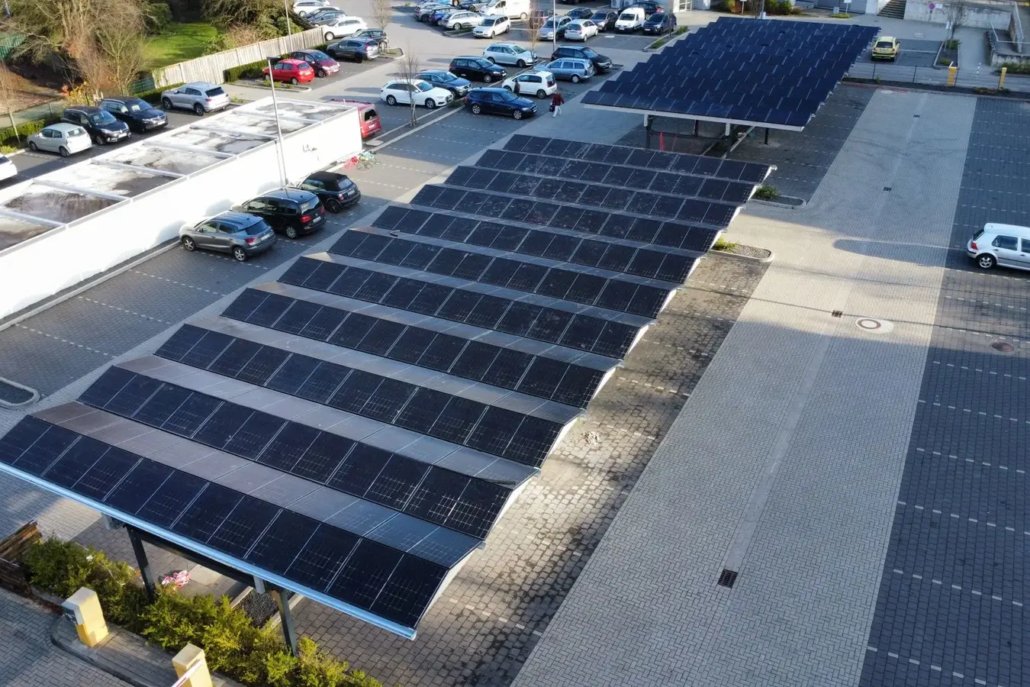
Solar generates cheapest when the sun is high; businesses consume most when prices are highest. Battery storage reconciles that mismatch. Here are the six application scenarios where solar + ESS delivers the strongest, most reliable returns.
1. Factories and industrial parks
High daytime loads and steep demand charges make industry the natural home of solar + storage. PV covers the base load; the battery shaves peaks and carries critical lines through outages. Paybacks of three to five years are common.
2. Commercial buildings
Offices, malls, hotels and hospitals cut peak costs and gain backup power for elevators, IT and safety systems — increasingly a tenant-attraction and compliance feature, not just a cost play.
3. EV charging hubs
Fast chargers create brutal load spikes. Storage buffers those spikes so operators avoid six-figure grid-upgrade costs and demand-charge explosions — often the difference between a viable and an unviable charging site.
4. Remote and weak-grid sites
Islands, mines, farms and telecom sites replace or downsize diesel generation. Solar + storage cuts fuel logistics entirely, with silent, maintenance-light operation.
5. Agriculture
Irrigation pumps and cold storage run on daytime solar; the battery shifts energy into the night and protects produce from outages — turning an energy cost into a managed asset.
6. Microgrids
PV, storage, gensets and intelligent control combine into resilient local power systems for communities, campuses and industrial zones — grid-connected or fully off-grid.
Getting it right: returns depend on correct sizing and dispatch strategy, not just hardware. MARWELL SOLAR’s turnkey service covers load analysis, system design, manufacturing, logistics, installation and 24/7 monitoring — one accountable partner for the whole project.